Which documents come in and why volume rules
Document automation works best when there are many documents with a similar structure. A thousand invoices from different suppliers is a good case; five unique contracts is not. The first step is to measure how many documents arrive each month, how many formats there are and who processes them today. That number decides whether the project pays for itself.
Extracting is half the work, validating is the other half
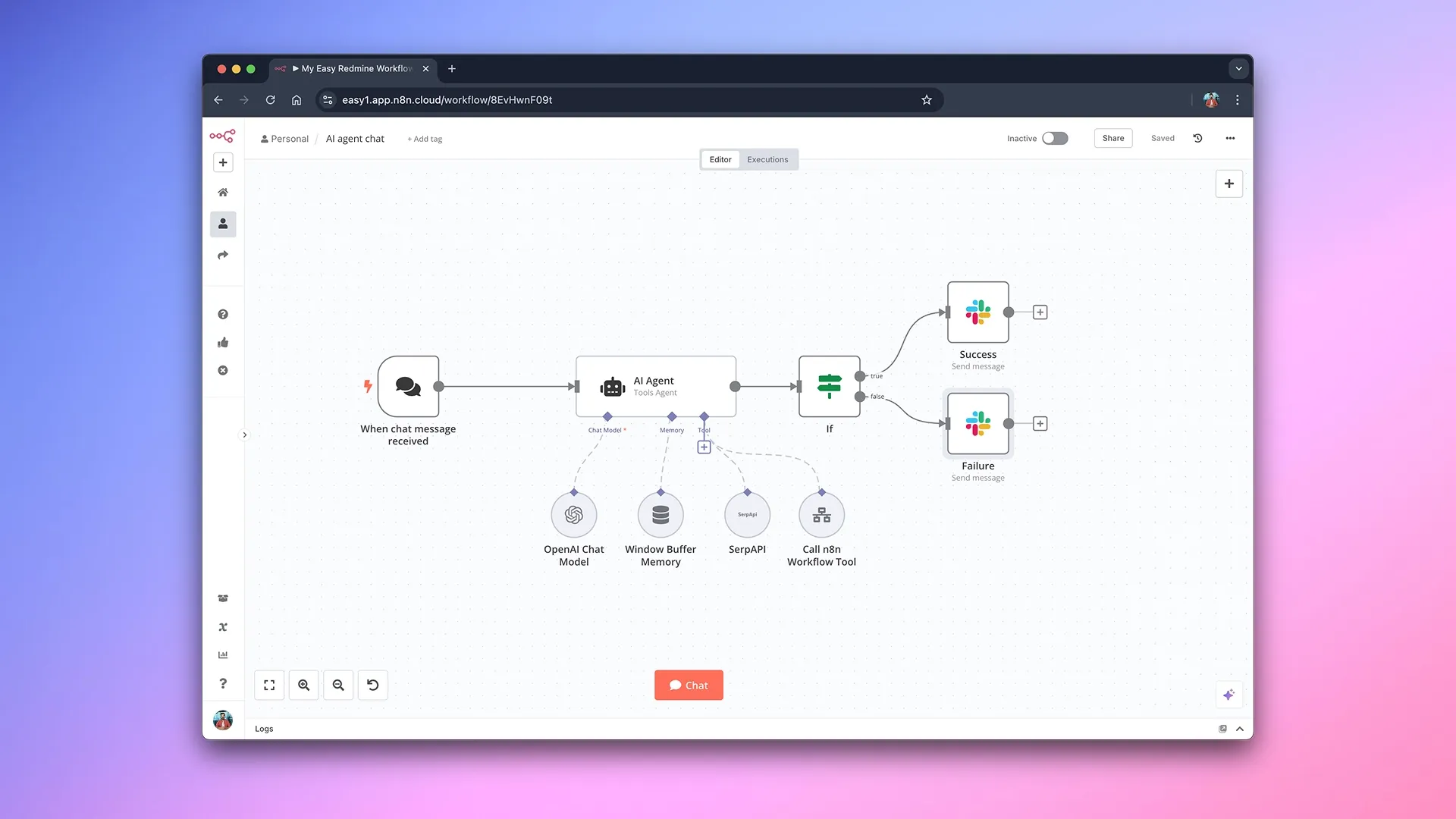
Models read documents well, but reading well is not enough: the silent error is the enemy. That is why every extracted field is checked against a system of record, against the sum of its parts or against the same figure in another document. When something does not add up the case goes to an exception queue that a person reviews, instead of moving forward with a doubtful value.
Traceability: every value leads back to its document
If six months from now someone asks where a figure came from, the answer has to be available in seconds. For every field we store the source document and page, plus the version of the model that extracted it. This is not an audit luxury: it is what allows a mistake to be corrected and only the affected documents to be reprocessed instead of all of them.
Integration with the systems they already use
The result cannot end up in a new folder nobody opens. The data goes to the ERP, the CRM or the tool the team already uses every day, in the format it expects. When that is not possible right away we leave a scheduled export and a notification, but the goal remains that the destination system is the usual one.