What a multi-agent system is and is not
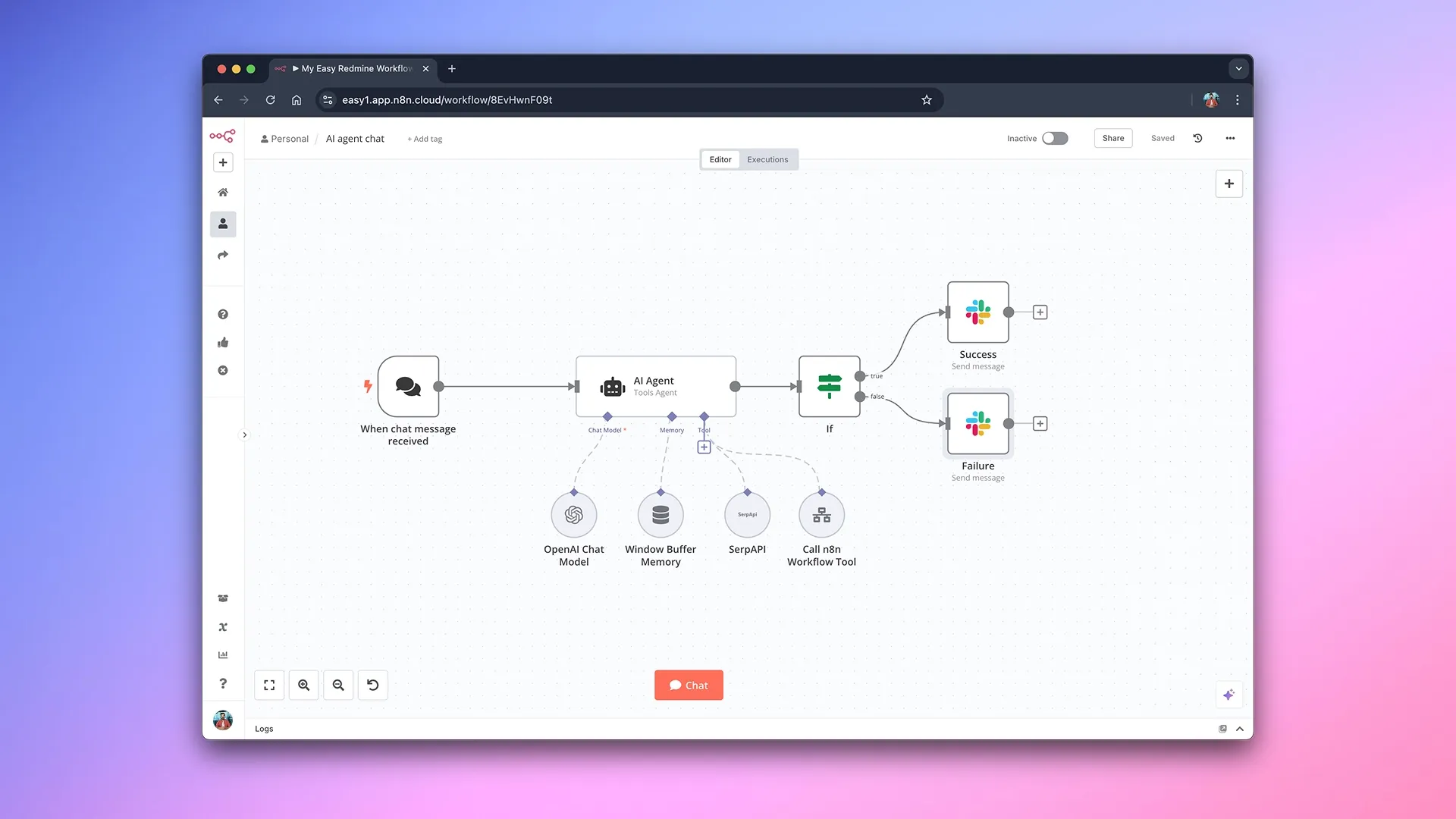
It is not five models answering the same thing. It is splitting a process across components with different responsibilities: one reads the document, another validates against the system of record, another decides the exception and another writes the result. Each piece can be verified on its own, and that is what makes the whole maintainable.
Orchestration is the real work
Connecting the components is the easy part. The hard part is defining the order, what happens when one fails, how many times it is retried and who reviews whatever was left in doubt. Most of the value shows up there: in exception handling and traceability, not in the newest model.
Where it creates value first
In high volume administrative processes with little judgement: documentation, reconciliations, email classification and replies, report generation. In those cases the improvement is measured in hours freed and errors avoided. In decisions with consequences that are hard to undo, the system proposes and the person decides.
How to tell whether you are ready
There are three conditions: your data exists in digital form even if it is messy, there is someone accountable for the process with time to review exceptions, and there is a way to verify the result. If the first is missing the project starts by tidying data. If the second is missing it starts by agreeing who is in charge. If the third is missing, it is not the moment yet.